Industrial kitchens function efficiently only when all components are performing well behind the scenes. A key element that supports smooth operation is the industrial grease trap, which prevents disruptions by capturing fats, oils, and grease from wastewater. Regular maintenance is crucial for industrial kitchens to ensure they remain operational and adhere to health standards.
Keeping grease traps in optimal condition facilitates kitchen operations and helps protect the environment by stopping unwanted substances from entering water systems. A blockage can bring operations to a halt, emphasizing the importance of understanding and maintaining industrial grease traps.
What Is an Industrial Grease Trap?
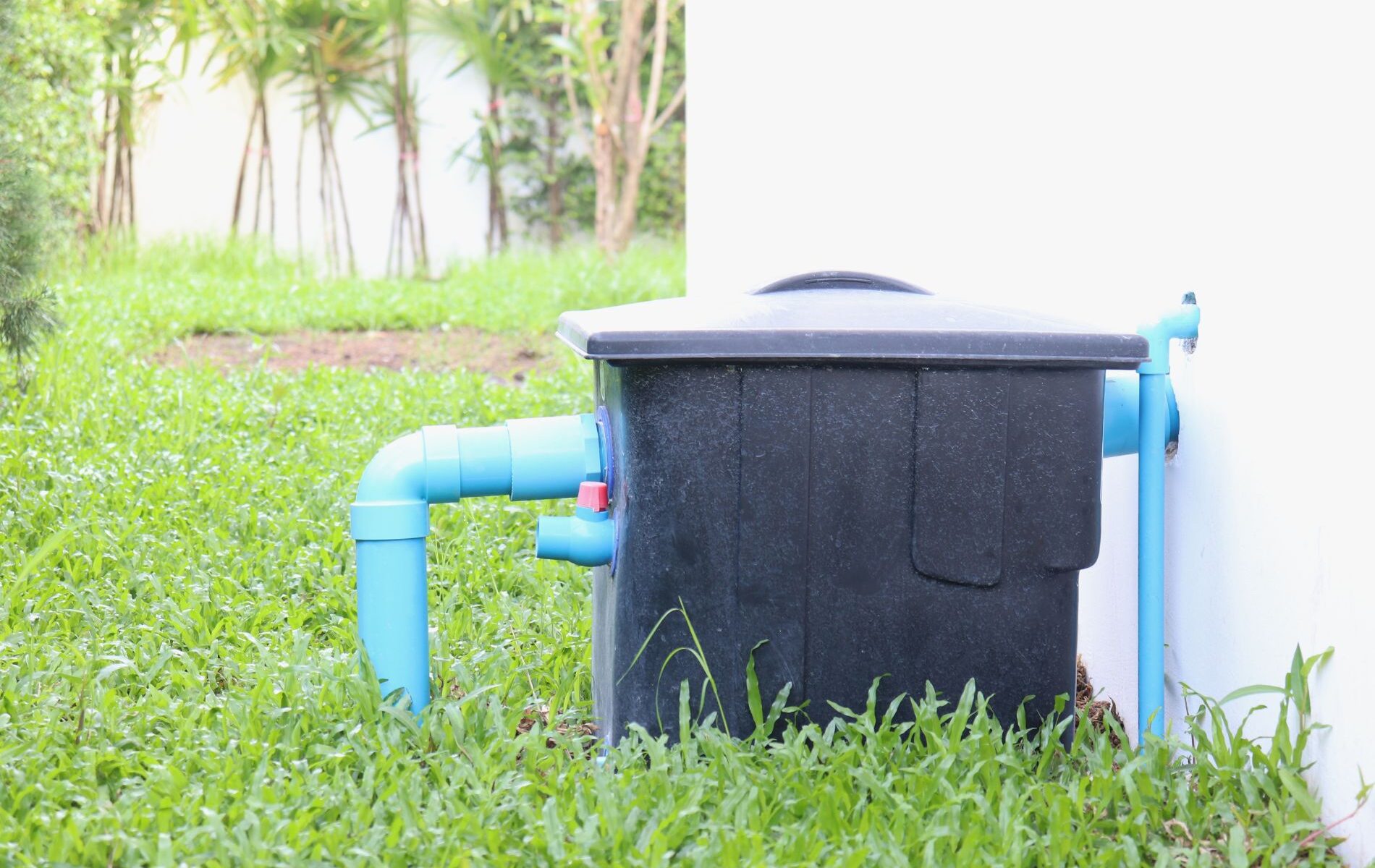
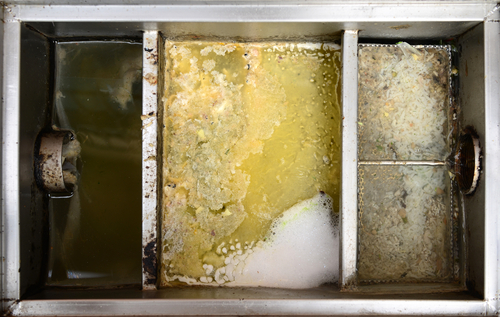
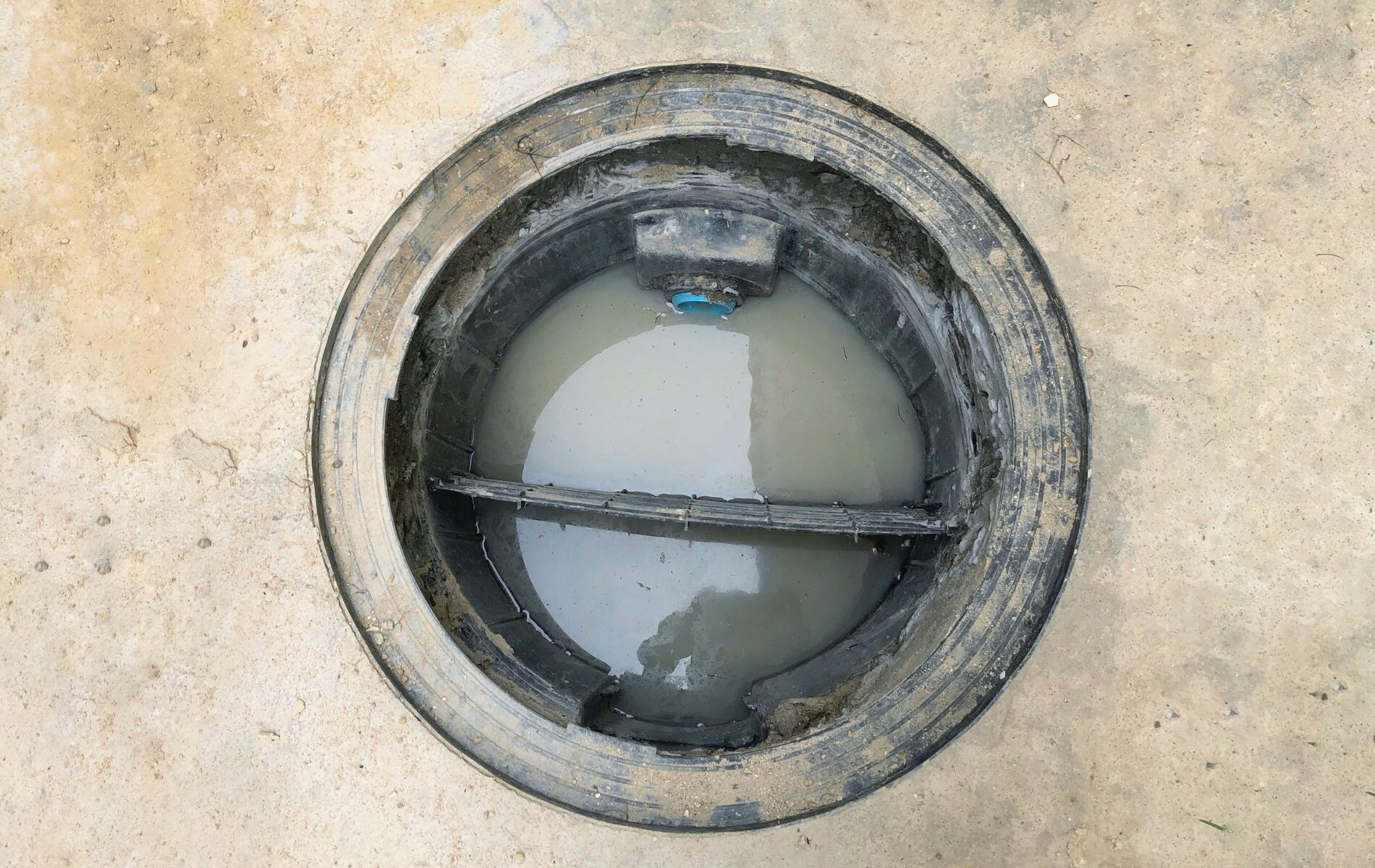
Industrial grease traps are designed to intercept grease and solids in commercial kitchen plumbing, preventing blockages in wastewater systems. These traps function by:
– Allowing wastewater to slow down and separate into layers.
– Heavier food particles sink to the bottom.
– Fats, oils, and grease float to the top and are trapped.
– Relatively clean water exits into the sewage system.
Unlike residential versions, industrial grease traps handle larger volumes and tougher conditions, making regular maintenance vital to keeping businesses running smoothly.
Common Issues with Industrial Grease Traps
Despite their effectiveness, industrial grease traps can encounter problems if not maintained regularly. A frequent concern is the buildup of fats, oils, and grease (FOG), which reduces efficiency and can cause clogs that lead to overflows. Unpleasant odors from inadequately cleaned traps can also affect the kitchen environment and dining experience. Moreover, neglecting maintenance poses hygiene risks and can result in non-compliance with health regulations.
Maintenance Tips for Industrial Grease Traps
Regular upkeep is essential for trouble-free industrial grease traps. Consider these tips:
– Regular Cleaning and Inspection: Schedule routine cleaning to avoid grease and solid buildup. Regular checks help identify issues before they escalate.
– Routine Practices: Scrape food scraps and wipe grease from cookware to reduce the load on the grease trap.
– Watch for Warning Signs: Slow-draining sinks, foul smells, and water backups signal the need for thorough inspection or professional cleaning.
Recognizing when to seek expert services is crucial, as professionals have the tools and knowledge for comprehensive cleaning.
Benefits of Professional Maintenance Services
Professional maintenance of industrial grease traps offers several advantages. Experts handle even the toughest clogs with appropriate tools and methods, ensuring operations remain uninterrupted. They also guarantee compliance with health regulations, protecting businesses from fines and closures, and leading to long-term cost savings by reducing the likelihood of breakdowns.
Keeping Your Industrial Kitchen Running Smoothly
The reliability of kitchen operations largely depends on well-maintained industrial grease traps. Ensuring these systems are serviced regularly prevents disruptions and fosters a conducive environment for staff and patrons. Investing in consistent maintenance not only preserves kitchen functionality but also extends equipment lifespan, ultimately saving resources and avoiding future complications.
To keep your industrial kitchen operating smoothly and free from unexpected issues, reliable maintenance is essential. Ensure your grease trap functions efficiently and meets health standards with our industrial grease trap service. Trust WASTECO to provide expert care and maintain a clean, compliant kitchen environment.