Solving Drainage Issues with New Drain Installation in Perth

drain

Proper drainage is more than just a convenience; it’s a necessity for maintaining a healthy and trouble-free home environment. When rainfall is common, like in Perth, having an efficient drainage system becomes even more important. A poorly functioning drainage system can lead to many problems, from minor inconveniences to significant property damage. Imagine stepping into your garden only to find puddles lurking everywhere because your drains aren’t doing their job. This is where installing new drains comes into play, offering a long-lasting solution to these pesky issues.

You might ask, “Why should I think about new drain installation?” Well, new drains not only manage water flow but also boost the overall efficiency of your home’s water management system. They ensure that excess water has a clear path away from your home, reducing the risk of flooding, preventing structural damage, and, most importantly, keeping your living environment safe and comfortable.

Identifying Drainage Problems in Perth Homes

Before diving into solutions, it’s essential to know what issues you might already face. Here are a few common signs that your drainage system might be failing:

– Water pooling: After heavy rain, does water stubbornly sit in parts of your garden or lawn? It’s a red flag.

– Slow drains: If your sinks or bathtubs take forever to empty, it might not be their fault. Blockages or inadequate drainage could be the culprits.

– Unpleasant smells: A bad smell wafting from your drains can indicate trapped water or debris that’s not being carried away efficiently.

Left unchecked, these issues can lead to severe problems. Poor drainage impacts not just the structural integrity of your property but also your health. Stagnant water becomes a breeding ground for mosquitoes and other pests, which no one wants buzzing around their home. Plus, lingering moisture can lead to mould growth, harming both your home and your well-being.

Seasonal changes also play a role. During wetter months, such as winter and spring in Perth, these issues can become more pronounced. Water flows differently with more rain, so addressing problems before the rain sets in can prevent further headaches. By identifying these signs early and opting for new drain installation, you can improve your home’s safety and serenity.

Benefits of New Drain Installation

Installing new drains offers substantial benefits that reach beyond just preventing water pooling in your garden. For starters, it improves the efficiency and speed of water drainage around your home. When the rain comes down hard, a well-designed drainage system can handle the flow without missing a beat. By directing water away from your property efficiently, it helps avoid unwanted flooding inside your home or in surrounding areas.

Aside from protecting your property, good drainage enhances hygiene by reducing standing water, which can be a magnet for pests like mosquitoes. Such conditions can lead to health risks for you and your loved ones. On another level, new drain installation lowers the chances of damage to your property. Floodwaters can wreak havoc on a home’s foundation, and repairing such damage can be costly and time-consuming. With proper drainage, you reduce this risk significantly.

The Drain Installation Process

Getting new drains installed might sound complex, but understanding the steps can make it feel less daunting. Here’s how the process generally unfolds:

  1. Initial Assessment and Planning: Professionals start with an in-depth inspection of your property to understand existing conditions. This helps them determine the best drainage solutions tailored for your home.
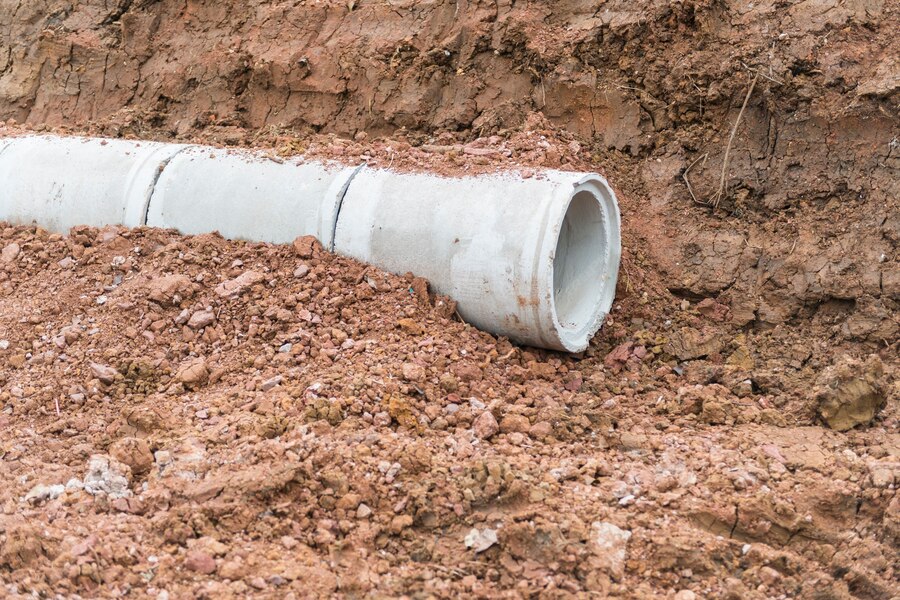
  2. Excavation: Once the plan is in place, the next step involves carefully digging the necessary trenches where the new drainage pipes will be laid. This step is crucial to ensure that the layout effectively manages water flow.
  3. Pipe Laying: After excavation, the new drainage pipes are installed. High-quality materials are vital to ensure longevity and effectiveness.
  4. Testing: Before wrapping up, testing is conducted to ensure everything runs smoothly, with water flowing properly through the new system.

Choosing between doing it yourself or hiring experts can be a big decision. While a DIY approach might seem like a cost-saving idea, professional installation is preferable. Experts not only bring experienced hands but also ensure the system is up to code and efficient.

Choosing the Right Drainage Solution

Selecting the best fit for a drainage system involves several considerations. Factors such as the type of soil around your home, the general layout of your property, and any local regulations can influence your choice. For example, clay-heavy soil may require more extensive drainage solutions than sandy soil.

Different types of drains offer unique benefits. Common options include:

– French Drains: Ideal for removing water that accumulates in low spots or depressions.

– Trench Drains: Great for carrying away large amounts of surface water quickly.

– Surface Drains: Perfect for capturing water runoff before it gets a chance to build up.

It’s always helpful to consult with experts who can offer guidance specific to your situation. By tapping into years of experience, they can help you choose the most effective drainage solution tailored to your needs.

Stay Dry and Safe with Professional Drain Installation

Preventing drainage problems before they start is a smart move for any homeowner. Addressing drainage issues promptly protects your home from potential flood damage, improves health conditions by reducing pests, and keeps your living space comfortable.

By taking action and choosing professional drain installation, you enhance the quality of your home environment. No more worrying about heavy rains causing havoc. Instead, enjoy peace of mind knowing that your home’s drainage is expertly managed, freeing you to focus on what truly matters.

For those looking to address drainage problems effectively, consider the benefits of new drain installation in Perth. At WASTECO, our expert team is ready to guide you every step of the way, ensuring your property remains secure and well-prepared for the wet seasons. Enjoy peace of mind knowing your drainage system is not only up to task but also supported by professionals you can trust.
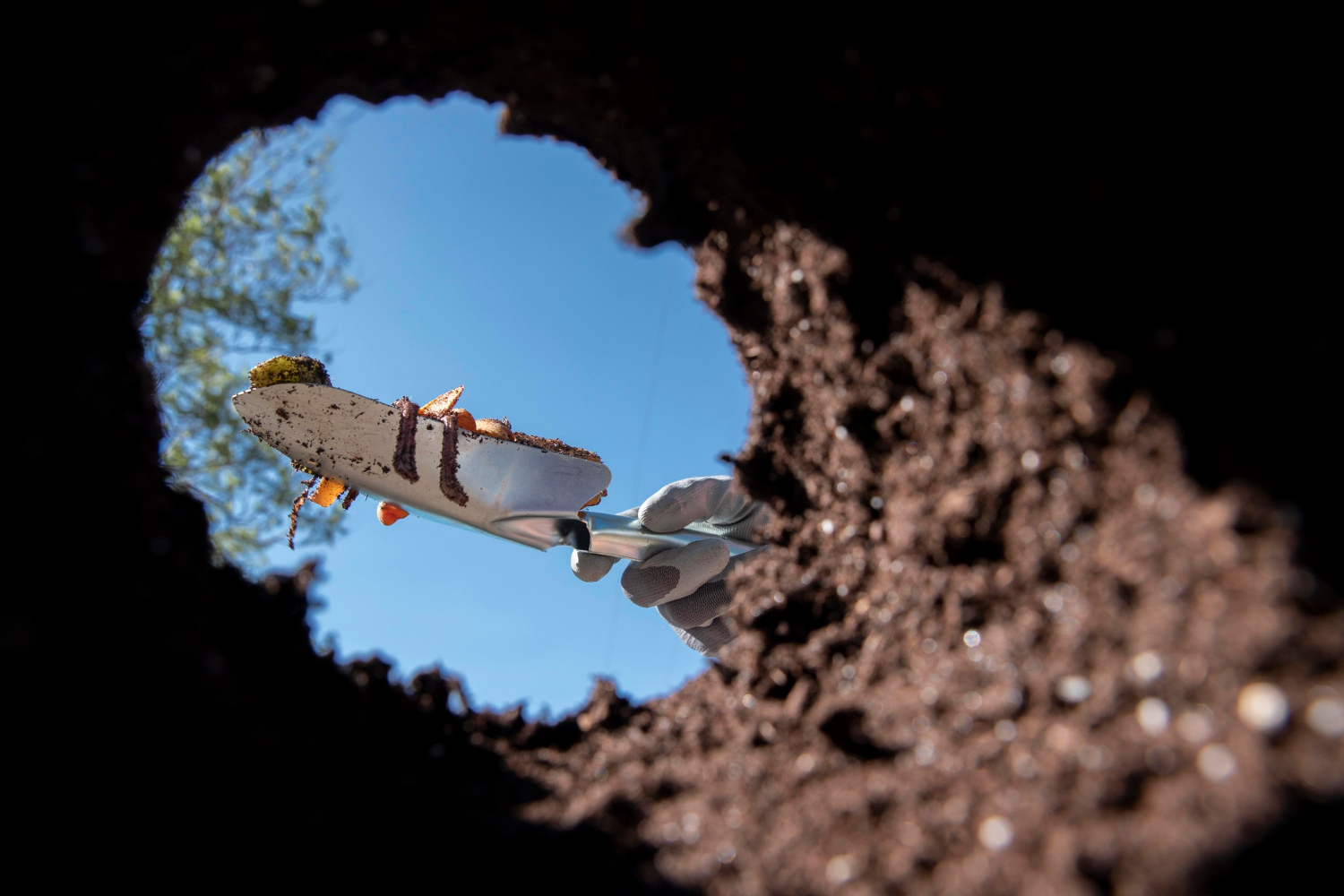
How Perth Soil Types Affect Your Leach Drains Performance

soil

Leach drains might not be the most glamorous topic, but they do a vital job. They’re essential for managing wastewater effectively on properties. Without them, maintaining a clean and healthy environment on your property becomes a lot harder. Think of leach drains as hidden workers that handle waste so you don’t have to worry. When installed and maintained correctly, they do a remarkable job at distributing and safely managing liquid waste.

But have you ever wondered how different soil types can influence how these drains work? In Perth, the variety of soil types means that not all leach drains perform the same way. Whether your property sits on sandy stretches or rocks clay-heavy soil, understanding these differences can be a game changer. Knowing which soil your property has helps you make better decisions about installing and caring for your leach drain system, ensuring it performs at its best.

Understanding Perth’s Soil Types

Perth features a mix of soil types, each with its unique characteristics that impact leach drain performance. Here’s a closer look at the common soil types you might find in the area:

  1. Sandy Soils: These soils are known for their excellent drainage capabilities. Water moves quickly through sand, reducing the risk of stagnant water. However, sandy soils can sometimes drain too fast, which might cause erosion if not managed carefully.
  2. Clay Soils: Clay soils, on the other hand, can hold a lot of water. They have a much slower drainage rate compared to sandy soils, often leading to water pooling or blockages if the system isn’t managed well. These properties can influence both installation and maintenance needs significantly.
  3. Loamy Soils: Often viewed as the ideal soil for most gardening and landscaping needs, loamy soils balance drainage capacity with nutrient retention. This type of soil supports effective water movement and provides good conditions for leach drains to function properly.
  4. Gravelly Soils: Gravelly soils come with extreme drainage properties. While they offer rapid water dispersal, making them efficient in dealing with high water output, stability can sometimes be an issue if they’re not correctly set up.

By knowing what type of soil you’re dealing with, you can make more informed decisions about leach drain installation. Professional advice tailored to your soil type can ensure better performance and less maintenance in the long run.

How Soil Types Affect Leach Drain Performance

The type of soil on your property plays a significant part in how well your leach drains work. Each soil type has its unique way of interacting with water, which affects both how waste is processed and the maintenance required. Here’s what you need to know:

Sandy soils, with their fast-draining nature, can be a blessing and a curse. They allow water to move quickly, which helps in preventing any stagnant water issues. However, they can also lead to erosion if the water moves too swiftly. It’s important to consider protective measures to keep the soil from washing away too much.

Clay soils pose the opposite challenge. They hold on to water, making drainage much slower. This can lead to water pooling and blockages, which require regular checking and care to prevent. The drainage systems need to be carefully planned to cope with the slow movement of water.

Loamy soils offer a middle ground. They balance drainage and retention, providing a more stable environment for leach drains. The mix of sand, silt, and clay in loamy soil helps maintain an even flow, reducing the need for frequent adjustments or repairs.

Gravelly soils, while excellent at dispersing water quickly, can face stability issues. Their loose structure demands careful installation techniques to prevent shifts that can disrupt the drainage system.

Optimizing Leach Drain Installation Based on Soil Type

Installing leach drains in a way that’s suitable for your specific soil type can make a world of difference. Here are some tips and strategies:

– For sandy soils, use barriers or liners to slow down water drainage and guard against erosion. This helps keep the soil in place while still promoting efficient water movement.

– With clay soils, the focus should be on enhancing drainage. This might involve adding sand or gravel layers to increase permeability, making it easier for water to move through the soil.

– Loamy soils, being well-balanced, require less intervention. However, ensuring the installation addresses any specific site slopes or quirks can enhance performance further.

– When dealing with gravelly soils, reinforce the leach drain system to handle potential shifts. Installing additional supports can provide the stability needed to keep everything functioning smoothly.

These tailored solutions ensure that no matter the soil type, your leach drains work efficiently and effectively, reducing the likelihood of future problems.

Maintenance Tips for Leach Drains in Different Soils

Proper maintenance keeps your leach drains working their best throughout the year. Here are some practical tips:

– Sandy soils benefit from regular checks for erosion, especially after heavy rain. Make sure to backfill any areas that have washed out to prevent larger issues.

– For clay soils, routine inspections help identify potential blockages. Incorporating root barriers can also manage invasive plant growth, which might interfere with the drains.

– Loamy soils need minimal intervention, though occasional raking to prevent compaction and promote aeration can be beneficial.

– Gravelly soils should be checked for stability and any movement within the bed. Adding more gravel periodically can help maintain the desired drainage rate.

By following these maintenance strategies, you’ll ensure that your leach drains continue to operate efficiently, regardless of the seasonal changes or specific soil challenges you face.

Ensuring Your Leach Drains Perform Well

Understanding and harnessing the nuances of your property’s soil type can significantly influence how efficiently your leach drains perform. By aligning your installation and maintenance efforts with the natural properties of the soil, you can reduce troubleshooting and repairs.

Consider the plans for your leach drains as an ongoing partnership with the environment around you. With informed decisions, you enhance the system’s lifespan and reliability, ensuring everything functions smoothly for years. So take the time to know your soil—and see how this knowledge pays off in the effectiveness of waste management on your property.

Understanding your soil type can greatly enhance the efficiency and longevity of your leach drains. For those in Perth seeking tailored solutions, WASTECO offers expert leach drains in Perth services to ensure optimal performance. By aligning your waste management system with the natural characteristics of your property, you set the stage for sustainable and hassle-free drainage operations. Discover how professional installation and maintenance can make a difference for your home.

When Should You Replace Instead of Repair Leach Drain Systems?

leach drain

Leach drain systems play a vital role in managing liquid waste. They ensure your property remains dry while handling wastewater effectively. These systems work quietly in the background, diverting water away from areas where it could cause damage. Despite their importance, many people might not think much about their leach drains until something goes wrong. And when it does, deciding whether to repair or replace can be tricky.

Let’s say you’ve noticed some issues with your leach drain, such as water pooling or unpleasant smells. While a quick repair might seem like the fastest solution, it might not always be the best. Sometimes replacing your leach drain system can save you headaches in the long run. Understanding when to opt for replacement over repair can make a big difference in terms of efficiency and costs.

Signs Your Leach Drain System Needs Replacement

Replacing a leach drain system isn’t always the first option that comes to mind, but certain signs indicate it’s the best course of action. Here are some red flags to watch for:

  1. Frequent Blockages: If your drain is clogging often, it might be more than just a temporary glitch. Continual blockages can signal underlying issues that simple fixes won’t resolve.
  2. Persistent Odours: An unpleasant smell can mean your leach drain isn’t handling waste correctly. If the stench doesn’t go away with routine cleaning, it might need more than just a band-aid repair.
  3. Soggy Areas in the Yard: Do you have parts of the yard that never seem to dry? Consistently waterlogged areas can suggest your system might be failing to disperse water properly.
  4. Rapid Plant Growth: While greenery is nice, unusual growth near your leach drain could indicate leaks. Excess water and nutrients can lead to rapid growth, pointing to underlying problems.

Addressing these signs effectively can prevent worsening the issues and help maintain your property’s value. Knowing when it’s time to replace rather than just repair a leach drain system keeps your surroundings safe and functional.

Factors to Consider Before Replacing

Deciding to replace a leach drain system isn’t always straightforward, and several factors need careful thought. First, consider the age of the current system. Older systems might not only be outdated but could also begin showing signs of wear and tear beyond simple repairs. Even if a system has been regularly maintained, its components naturally deteriorate over time.

Next, assess the extent and severity of the damage. A few minor issues might not warrant a full replacement, but widespread or severe damage could mean a new system is in order. It’s also wise to weigh the cost of frequent repairs against the price of installing a new system. Constant fixes can add up and may be more expensive in the long term than investing in a new, efficiently working system.

Potential future maintenance needs are another key factor. A newer system typically requires less upkeep than an older one that’s nearing the end of its life. Take into account that investing in a replacement could save you from dealing with frequent problems in the future.

Benefits of Replacing Your Leach Drain System

Opting for a new leach drain system can bring several substantial benefits. For starters, a fresh installation often means better efficiency and performance. A new system is designed to handle waste more effectively, which reduces the chances of issues like blockages and leaks.

Another benefit is reducing the risk of recurring problems. By replacing an old or flawed system, you’re tackling many potential issues before they start, saving you both time and stress. Property value can also see a boost from a new and reliable leach drain system. Prospective buyers view effective waste management as a valuable feature.

Ultimately, lower maintenance costs over time make the replacement a worthy consideration. Newer systems are built to require fewer repairs and are less prone to unexpected failures, meaning you’ll likely spend less on upkeep over the years.

Steps to Take When Replacing a Leach Drain System

Embarking on a replacement involves several steps to ensure it’s done correctly. Begin by assessing the current state of your leach drain system. Determine whether it truly needs replacement or if a major overhaul could suffice. This might involve inspecting for visible signs of damage or hiring an expert for an evaluation.

Consulting with professionals is crucial. They offer insights into the best solutions tailored to your specific situation. An expert can recommend systems that fit your needs and guide you through the entire process. Proper planning follows this step. Outline a clear path from removing the old system to installing the new one.

After replacement, keeping an eye on maintenance tips can extend the life of your new leach drain system. Regular checks and small preventative measures can go a long way in ensuring your system stays functional and efficient.

Making the Right Decision for Your Property

Replacing a leach drain system is a significant decision, but one that can pay off in many ways. Reflect on the points discussed, such as signs indicating it’s time for replacement and the long-term benefits of having a new system. Align these insights with your property’s needs and your budget considerations.

Always seek professional consultation for a proper assessment and to ensure you make informed choices. Professionals provide tailored advice that can steer you confidently through the decision-making process. With a sound understanding of your system and its role, replacing it can bring peace of mind, knowing everything is flowing smoothly beneath the surface.

Thinking about upgrading your waste management system? Discover how investing in leach drain systems can enhance your property’s functionality and value. With WASTECO’s expertise, you’ll experience fewer maintenance worries, efficient performance, and peace of mind knowing your system is reliable. Explore your options today and take the first step towards a stress-free waste solution.

Troubleshooting Poor Drainage After Leach Drain Installation

leach drain

Home drainage issues can be a real headache, especially after installing a leach drain. Imagine setting up what you thought was the perfect solution only to find areas in your yard turning into small lakes after a rainstorm. It’s not just about inconvenience; poor drainage can lead to bigger problems if not addressed quickly. Understanding what might go wrong and how to spot the signs early can save you from a soggy mess down the line.

Addressing drainage problems as soon as they’re detected is crucial. Whether it’s a small puddle that doesn’t seem to go away or a patch of grass that’s always damp, these can be signs of bigger issues with your leach drain. Identifying and fixing these problems early can prevent damage and save you money. Besides, having a yard that drains properly is just one of those things that makes life a lot easier.

Common Causes of Poor Drainage

There are several reasons why you might experience drainage issues after setting up a leach drain. Often, these problems boil down to three main causes: improper installation, soil conditions, and blockages.

  1. Improper installation: If the leach drain wasn’t set up correctly from the start, that can lead to poor drainage. The pipes might not have the correct slope, or they could be placed in a way that doesn’t allow water to flow freely. Even a small mistake during installation can have long-lasting effects.
  2. Soil conditions: The type of soil in your yard plays a big role in how well water drains. Clay-heavy soils tend to hold onto water, causing it to pool rather than drain away. Even with the best leach drain setup, clay can create backflow issues. On the other hand, sandy soils generally drain quickly, which can be a plus, but only if things are installed correctly.
  3. Blockages: Over time, your drain system might get blocked by debris, roots, or even a build-up of materials like grease or soap. When the water can’t pass through the system because of these blockages, it can take the path of least resistance and start pooling on the surface.

Understanding these factors can help in diagnosing the problem early on. If you’re experiencing any of these issues, it’s wise to get a professional to take a closer look. They can identify the exact cause of the problem and recommend the best course of action. Often, a bit of professional guidance can mean the difference between a simple fix and a complete overhaul.

Identifying Drainage Problems Early

Spotting drainage problems early can save you a lot of trouble. There are some telltale signs to watch out for. The first thing to notice is water pooling in areas where it shouldn’t. If you see water sitting on your lawn hours after the rain has stopped, that’s a red flag. Slow draining or standing water might be due to a clog or improper installation.

Another sign is the presence of unpleasant odours. If your yard smells funny, especially during or after rain, it might be wise to investigate further. Bubbling noises when the water drains or soggy patches of grass could also indicate drainage issues. While these signs don’t necessarily mean a severe problem is present, they can suggest something’s not quite right.

Steps to Troubleshoot Poor Drainage

If you suspect drainage issues, it helps to have a plan of action. Start by checking for any visible blockages. Clear out debris, leaves, or other materials that could obstruct water flow. Sometimes, a simple clean-up can make a big difference in how water drains.

Next, inspect the slope and positioning of your leach drain pipes. They need to have the right gradient to allow gravity to do its job. If the pipes are too flat or slope upward, this could hinder water flow. Make sure nothing has shifted or been crushed, especially if heavy vehicles or equipment have been over the area.

If these steps don’t resolve the issue, it might be time to call in the experts. A professional can provide a comprehensive assessment, dig a little deeper, and find solutions that ensure everything functions properly. They’ll know what to look for beyond the obvious and can spot underlying problems that aren’t instantly visible.

Preventive Measures for Future Leach Drain Installations

Preventing drainage woes starts long before any issues arise. Proper setup is key to ensuring your leach drain works efficiently. Strong consideration is needed when selecting the location for installation. Choose an area with good soil drainage and away from trees, whose roots might disrupt pipes.

Regular maintenance checks can also head off potential problems before they start. It’s wise to have regular inspections to catch minor glitches before they become headaches. Keep an eye on debris build-up and soil changes, particularly after storms or heavy rains.

The right materials and installation techniques can play a huge role in avoiding issues. Installing quality components and ensuring correct positioning can prevent water from collecting where it shouldn’t.

Secure Your Leach Drain System with Expert Help

Optimising your leach drain system requires a blend of timely maintenance, correct installation, and swift problem solving. By catching and fixing issues early, you may face fewer hassles and enjoy a smoother-running system. This proactive approach not only assures efficient drainage but also helps extend the lifespan of your drainage setup.

Expert support makes all the difference when maintaining your leach drain. Professionals offer valuable insight and proven solutions that help protect your property from unwanted water damage. Engaging experienced individuals ensures you receive tailored recommendations for your specific setup, leading to long-term peace of mind.

For peace of mind with your drainage system, consider tapping into expert services for leach drain installation. Professionals like WASTECO can ensure your system is set up right and stays fully functional over time. Explore how our experienced team can assist in keeping your yard free from unwanted water problems. Don’t let drainage issues dampen your spirits.

The Importance of Stormwater Drainage Systems in Perth

strom drain

Stormwater drainage systems are vital to cities like Perth, especially during its wet seasons. These systems ensure that rainwater is effectively channelled away from urban areas, preventing potential flooding and water damage to infrastructure and homes. With Perth experiencing heavier rain periods due to local weather patterns, understanding the role and importance of these systems becomes even more crucial.

Perth’s unique climate creates challenges that require efficient stormwater management. Unpredictable weather can lead to sudden rainstorms, overwhelming drainage capacities. This makes it imperative to consider how well these systems cope with large volumes of water. By ensuring these drainage systems are functioning optimally, cities can safeguard roads, properties, and the environment from excess water that might otherwise cause significant issues.

How Stormwater Drainage Systems Work

Stormwater drainage systems might seem complicated, but their job is primarily to manage rainwater effectively. They have several key parts that work together:

– Catchments: These include the roofs, roads, and other surfaces where rainwater falls and starts its journey through the system.

– Drains and Gutters: These guide the water from catchment areas toward larger pipes or channels. They’re instrumental in directing water flow to prevent pooling in areas like roads or footpaths.

– Pipes and Culverts: These transport the collected water. Due to their underground placement, these systems remain out of sight while performing the heavy lifting. They carry water safely to its intended destination.

– Outlets: The final stop for rainwater before rejoining natural water bodies or storage facilities. These outlets ensure water flows back into a river, lake, or ocean without causing erosion or ecological disturbance.

In Perth, these systems don’t just manage surface water. They also play a part in protecting the natural water cycle by diverting rainwater safely back into the environment. When heavy rains occur, having an efficient stormwater management system in place helps maintain urban stability and prevents disruptions to daily life. By understanding how these systems operate, we gain better insight into their role in maintaining Perth’s environmental health and urban safety.

Challenges Faced by Stormwater Drainage Systems in Perth

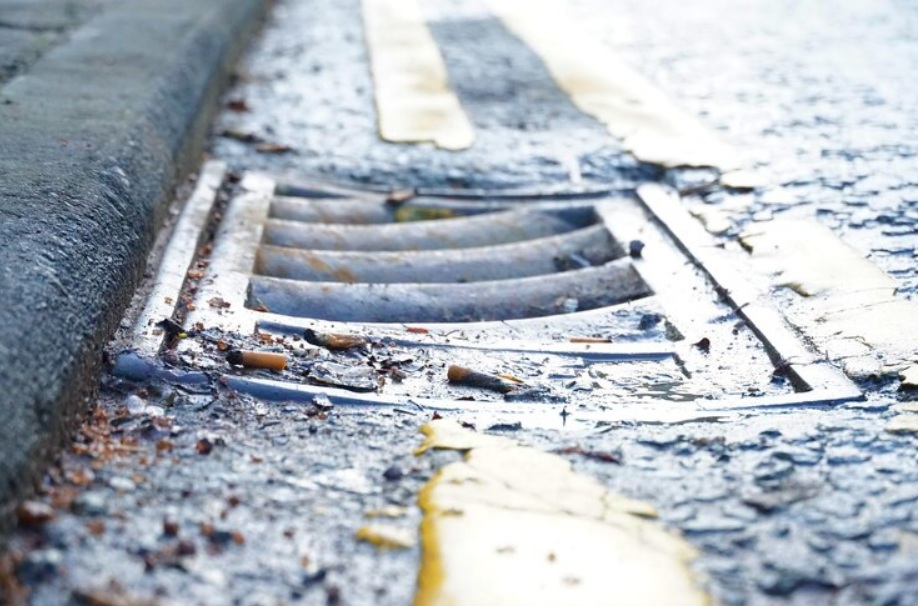
Perth’s landscape and climate create unique challenges for stormwater drainage systems. One major issue is blockages, which can occur from debris, leaves, or even litter accumulating in drains and gutters. Blocked drainage can lead to water overflowing onto streets and properties, causing potential damage and hazardous conditions for traffic. Regular cleaning and inspections are vital to mitigate these blockages.

Flooding is another significant concern. Perth experiences unpredictable weather, with occasional heavy downpours. These intense rainfall events can overwhelm drainage systems that aren’t adequately maintained or designed to handle such volumes, leading to localised flooding. With urban development on the rise, there’s often more concrete and asphalt, which prevents rainwater from easily seeping into the ground, adding extra strain on drainage systems.

Urban planning plays a key role in the effectiveness of stormwater systems. New constructions need careful planning to include sufficient drainage, but older areas might not have the modern infrastructure needed to cope with today’s conditions. As the city grows, balancing development with effective water management remains a continuous challenge.

Benefits of Proper Stormwater Drainage Maintenance

Maintaining these drainage systems properly brings numerous advantages, from preventing costly water damage to enhancing the overall resilience of the city’s infrastructure. Regular upkeep helps keep systems clear of debris, ensuring water flows as intended. This preventive action avoids the need for more drastic and expensive interventions later.

Homeowners and businesses can take simple steps to maintain their local storm drains. These include:

– Regular Checkups: Look for visible debris or blockages around drains and gutters. Clearing leaves and rubbish can prevent clogs.

– Reporting Issues: If you notice persistent water pooling or other signs of drainage problems, report them to local authorities for assessment and action.

– Responsible Waste Disposal: Avoid disposing of oil, chemicals, or other hazardous materials near storm drains. These substances can pollute waterways and harm the surrounding environment.

Proper maintenance not only supports the integrity and reliability of the drainage systems but also reduces the city’s overall environmental impact.

When to Seek Professional Help

Sometimes, despite your best maintenance efforts, drainage problems can arise that require professional expertise. Signs that it’s time to consult an expert include persistent pooling of water, slow drainage, and noticeable damage to drainage covers or pipes. Unpleasant odours or unexpected plant growth around drains can also indicate deeper issues that need professional attention.

Professional services are equipped to identify and fix problems at the source. They have the skills and tools to assess and rectify severe blockages, repair damaged infrastructure, and ensure the entire system functions smoothly. By employing expert help when necessary, you can safeguard your property and contribute to the city’s stormwater management efforts.

Keeping Perth’s Stormwater Drainage Systems Efficient

Proactive maintenance of stormwater drainage systems ensures they remain efficient and effective. By taking small steps, residents and businesses can help maintain the city’s drainage infrastructure and prevent future water management issues.

Regular maintenance checks, timely reporting of problems, and consulting professionals when needed all contribute to a well-functioning drainage system. By being aware of the current state and potential problems, Perth can continue to manage its stormwater effectively, protecting both the environment and urban areas for years to come.

For residents in Perth, prioritising the maintenance of stormwater drainage systems is key to keeping our urban environment safe and functional. Proper care and early interventions can save time and prevent costly damages. If you’re interested in learning how stormwater drainage in Perth can be expertly managed, connect with WASTECO. Our team provides solutions that ensure your drainage systems operate efficiently, safeguarding your property and the environment.

Maintaining Storm Water Drains in Perth: Tips and Advice

storm drain

Storm water drains play a pivotal role in managing rainwater and preventing floods, especially in a city like Perth where sudden downpours are common. These drains guide excess water away from urban areas, helping to maintain the integrity of roads and properties. However, the efficiency of these systems can be compromised if they’re not properly maintained. Understanding how to care for storm water drains is crucial for minimising potential water damage and keeping Perth’s infrastructure sound.

Proper upkeep of storm water drains in Perth is essential due to the unique challenges posed by the city’s weather conditions. Regular maintenance not only ensures that the drains function effectively but also helps mitigate the risk of waterlogged streets and property damage. Whether you’re a resident watching over your home or a worker managing city infrastructure, embracing good habits can prevent clogged drains and the subsequent headaches they cause.

Understanding Storm Water Drains in Perth

Storm water drains are underground systems designed to collect and channel rainwater away from urban environments. They prevent water from accumulating on roads and properties during heavy rains. But how exactly do these systems work? Essentially, they collect runoff water from streets, rooftops, and sidewalks through a network of pipes that lead the water to natural water bodies like rivers or oceans.

Perth’s climate presents some unique challenges for these drainage systems. The area’s susceptibility to sudden, heavy rains can overwhelm storm water drains if they’re not adequately prepared. Blockages from debris, such as leaves or rubbish, can exacerbate problems, leading to slow drainage or complete blockages.

To keep these systems running smoothly, it’s important to know the signs that indicate maintenance is needed. Here are a few common indicators:

– Puddling or water pooling around drains after a rainfall.

– Gurgling sounds coming from drain pipes or grates.

– Unpleasant odours emanating from the drainage system.

By recognising these signs early, you can take action before a small issue becomes a large problem. Regularly observing and noting these signals will help you maintain efficient drainage and protect against water damage.

Effective Maintenance Tips for Storm Water Drains

Keeping storm water drains in top shape doesn’t have to be a hassle when you follow a few simple practices. Regular inspection and cleaning are key. Set a recurring schedule to check your drains, particularly after periods of heavy rain. This helps to ensure they aren’t clogged and are free-flowing. Catching small blockages early prevents larger issues later on.

Use drain guards as a preventive measure. These handy tools fit over the entrance to your drains and trap leaves, litter, and other debris that could cause a blockage. By capturing this debris before it enters the drainage system, you reduce the risk of clogs and help your system run smoothly.

Here are some practical steps you can take:

– Check and clean drain guards regularly

– Remove visible debris near drain openings

– Monitor water flow during rain to spot potential issues

If you notice persistent problems despite these efforts, it might be time to seek professional services. Experts have the tools and knowledge to handle deeper blockages and maintain the drainage network efficiently. Given Perth’s weather, periodic professional maintenance can be a wise choice to keep everything functioning properly.

Preventive Measures to Keep Drains in Good Condition

Preventive care extends the life of your storm water drains and saves time in the long run. Landscaping plays a role here. For instance, plant trees and bushes strategically, away from drainage paths. Their roots can intrude into the drainage system, causing blockages. Opt for plants with smaller root systems for areas closer to drain lines.

As Perth’s winters end, it’s wise to prepare for the rainy season. This means clearing out any accumulated debris from the drier season so that when the rain starts, it’s clear sailing for your drains. Avoid storing items that could be swept into drains during storms, like garden tools or loose yard decor.

Keeping an eye on drains is essential. By monitoring them regularly and acting swiftly at the first sign of trouble, you can prevent major repairs. Prompt action in addressing leaks or small blockages prevents them from becoming costly repairs later.

Keep Your Drains Flowing Smoothly with Expert Help

The proper maintenance of storm water drains ensures that they remain effective in managing rainwater and minimizing the risk of flooding. While regular inspection and small preventive measures can be tackled independently, don’t hesitate to call for expert assistance for more challenging tasks.

Adopting these practices results in efficient drains that safeguard your property and the surrounding infrastructure. By prioritizing ongoing maintenance, you guarantee the longevity of your storm water system and peace of mind during Perth’s rainy seasons.

Ensure the longevity of your drainage systems by understanding the importance of comprehensive maintenance. If you need support with managing storm water drains in Perth, WASTECO offers professional services tailored to tackle these challenges effectively. Contact us for more information on how we can help keep your drainage system running smoothly year-round.